
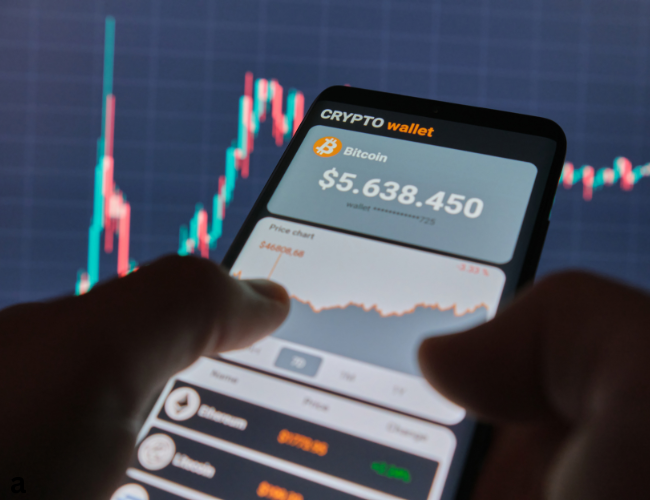
Building a crypto wallet isn’t just about enabling transactions—it’s about delivering trust, security, and a seamless user experience.
In a market full of scams, hacked wallets, and poorly designed apps, users are more cautious than ever. To launch a crypto wallet that users will rely on, you must combine airtight security, intuitive design, regulatory awareness, and robust blockchain integration.
In this guide, we’ll break down the essential components of a trustworthy crypto wallet and how to build one that stands out in 2025.
What Is a Crypto Wallet? (Quick Overview)
A crypto wallet is a digital tool that allows users to:
- Store cryptocurrencies
- Manage private/public keys
- Send and receive assets
- Interact with dApps and Web3 platforms
- Secure their digital identity
Although users talk about “storing crypto,” what a wallet actually stores is keys—not coins. This subtle detail is what makes security so critical.
1. Security: The Foundation of a Trustworthy Crypto Wallet
Security is the #1 reason users choose one wallet over another. One breach, and your wallet—and brand—are done.
Here are the non-negotiables:
✔ End-to-End Encryption
All user data, private keys, and metadata must be encrypted locally on the device.
No keys should ever touch your servers.
✔ Non-Custodial Architecture (Preferred)
Users maintain 100% control over their private keys.
This is the most trusted model unless you’re targeting regulated exchanges.
✔ Secure Key Storage
- Hardware-level protection on mobile devices
- Secure Enclave / Trusted Execution Environment
- Optional hardware wallet integration
✔ Advanced Authentication
- Biometric login (Face ID / Touch ID)
- PIN-based fallback
- Multi-factor authentication
✔ Smart Contract Security
If your wallet interacts with Web3 dApps, you must have:
- Strict permission prompts
- Transaction simulation
- Fraud detection
A secure wallet equals user confidence.
2. User Experience (UX): Simple, Clear, and Reassuring
Even if your security is perfect, poor UX will ruin everything.
The best crypto wallets share three traits:
✔ Simplicity
Crypto is intimidating. Your UI must make it feel effortless.
Examples:
- Clean dashboard
- Clear “Send” and “Receive” buttons
- Straightforward portfolio view
✔ Transparency
Users should always know:
- What they’re signing
- Network fees
- Why permissions are needed
✔ Safety-Focused Microcopy
Small bits of helpful text reduce fear and confusion.
For example:
“You hold your private keys. We cannot access your funds.”
That single sentence increases trust dramatically.
3. Compliance: Don’t Ignore Legal Requirements
Depending on your wallet type, compliance needs vary.
Non-Custodial Wallets
- Minimal regulatory requirements
- Focus on user data protection (GDPR, CCPA, etc.)
Custodial Wallets
- Must comply with KYC/AML
- May need specific financial licenses
- Must follow strict data retention and reporting rules
Before launching, consult with compliance professionals.
It’s much cheaper than dealing with a takedown later.
4. Blockchain Integration: Building a Fast and Reliable Wallet
Integrating with blockchains is where the real engineering happens.
Key Components of Strong Integration:
✔ Multi-Chain Support
Users now expect wallets to support:
- Ethereum
- Polygon
- BNB Chain
- Solana
- Bitcoin
- And more
✔ Optimized RPC Nodes
Slow or unreliable RPC connections frustrate users.
Use:
- Dedicated nodes
- Load-balanced clusters
- Fallback RPC providers
✔ Token Standards Support
Your wallet should handle:
- ERC-20
- ERC-721
- ERC-1155
- SPL tokens
- Native chains
✔ dApp Connectivity
Enable:
- WalletConnect
- In-app browser
- Custom dApp integrations
The smoother the interactions, the more users love your wallet.
5. Extra Features That Increase Trust and Engagement
To stand out from competitors, consider adding:
✔️Transaction Simulation
Show what will happen before a transaction is signed.
✔️Price Alerts & Portfolio Analytics
Helps users stay engaged and informed.
✔️Auto Backup & Recovery Options
Social recovery, seedless wallets, or multi-party computation.
✔️ Integrated On/Off Ramps
Users love the option to buy crypto with fiat.
6. How Much Does It Cost to Build a Crypto Wallet?
Costs vary by features and complexity, but typical ranges:
- Basic non-custodial wallet: $8,000–$25,000
- Advanced multi-chain wallet: $30,000–$120,000
- Full exchange-grade wallet system: $100,000+
ZeloMetrix offers modular wallet development kits, helping reduce cost and development time.
7. Final Thoughts: Trust Is Your Real Product
In the crypto world, users don’t choose wallets based on design alone—they choose wallets they trust.
Security, transparency, and usability must all work together to deliver an experience users feel safe relying on every day.
If you build a wallet with these principles, you won’t just have a product—you’ll have a loyal user base.